
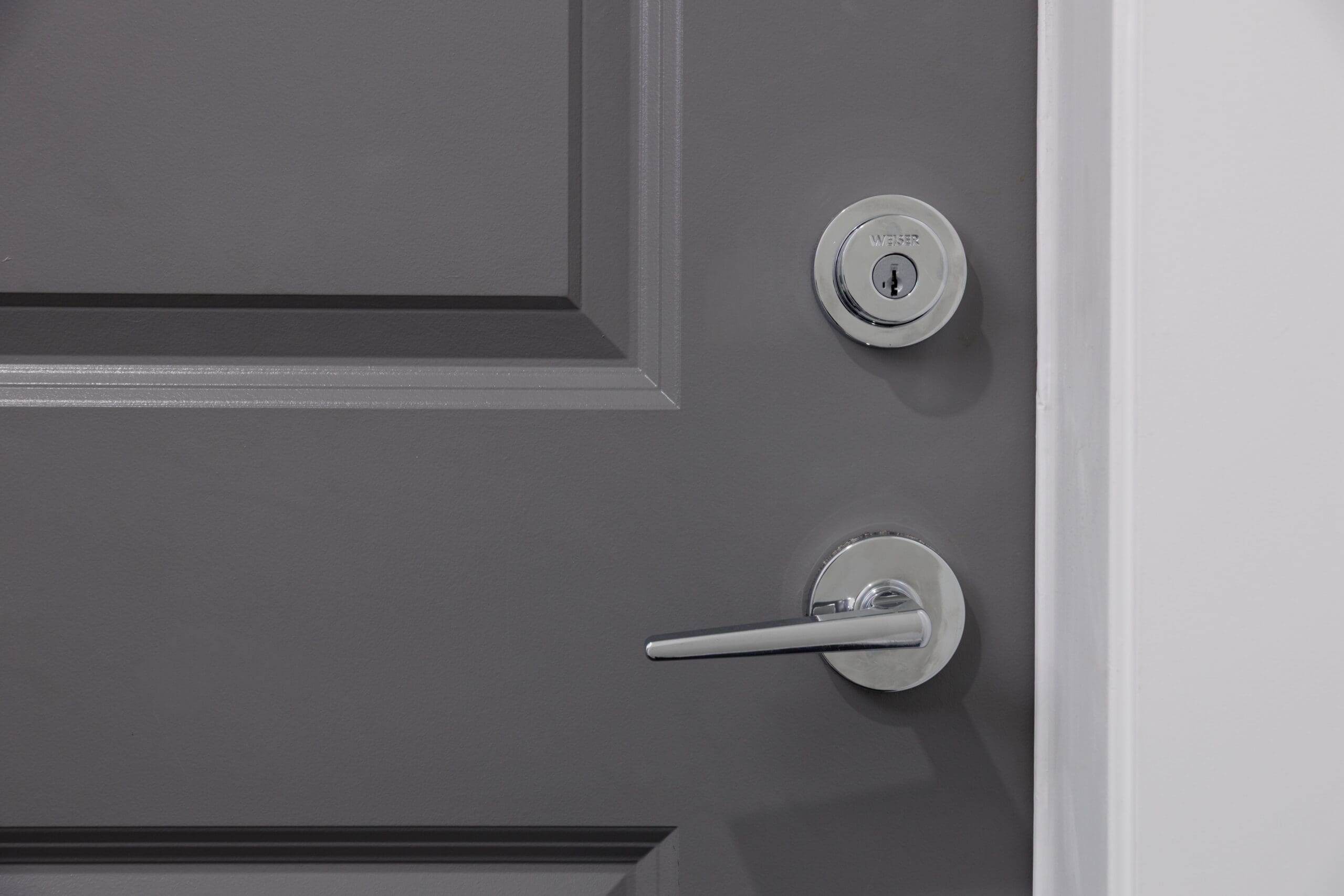
Keys, fobs & lockouts
Proactive management of entry hardware ensures secure and uninterrupted access to your home.
-
Non-emergency:
Losing keys or fobs is not a maintenance emergency; please contact management during regular business hours.
-
Lockout policy:
For after-hours assistance, tenants must contact a professional locksmith at their own responsibility.
-
Replacement fees:
Please note that replacements for lost fobs, keys, or requested lock changes may result in additional charges.
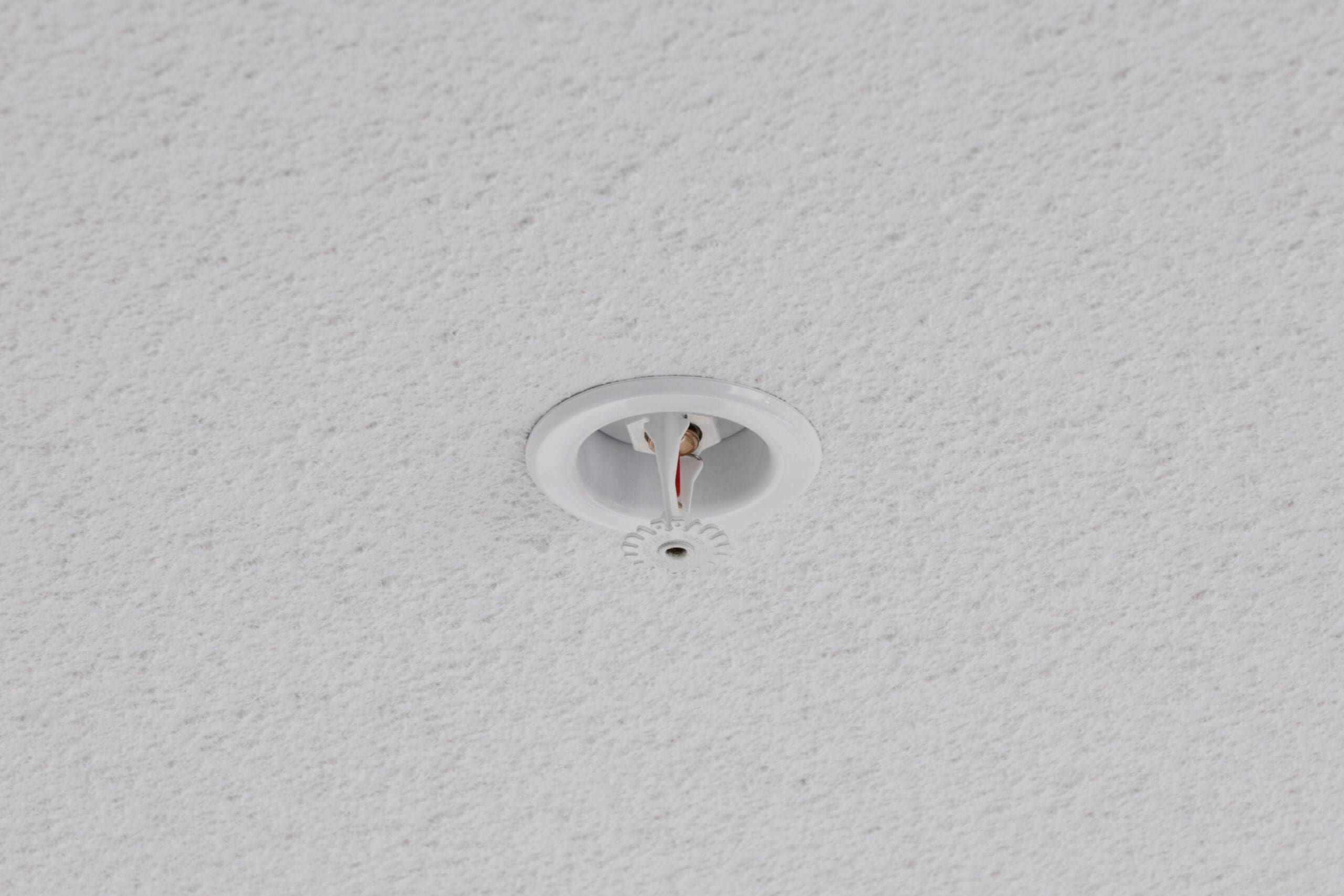
Sprinkler system
Protecting your home from water damage requires careful treatment of fire suppression hardware.
-
Device safety:
Sprinkler heads are sensitive life-safety devices; do not hit, tamper with, or hang items from them.
-
Clearance:
Maintain at least 18 inches of clear space below all sprinkler heads to ensure they function correctly in an emergency.
-
Liability:
Accidental activation causes significant flooding; tenants may be held liable for damages resulting from improper care.
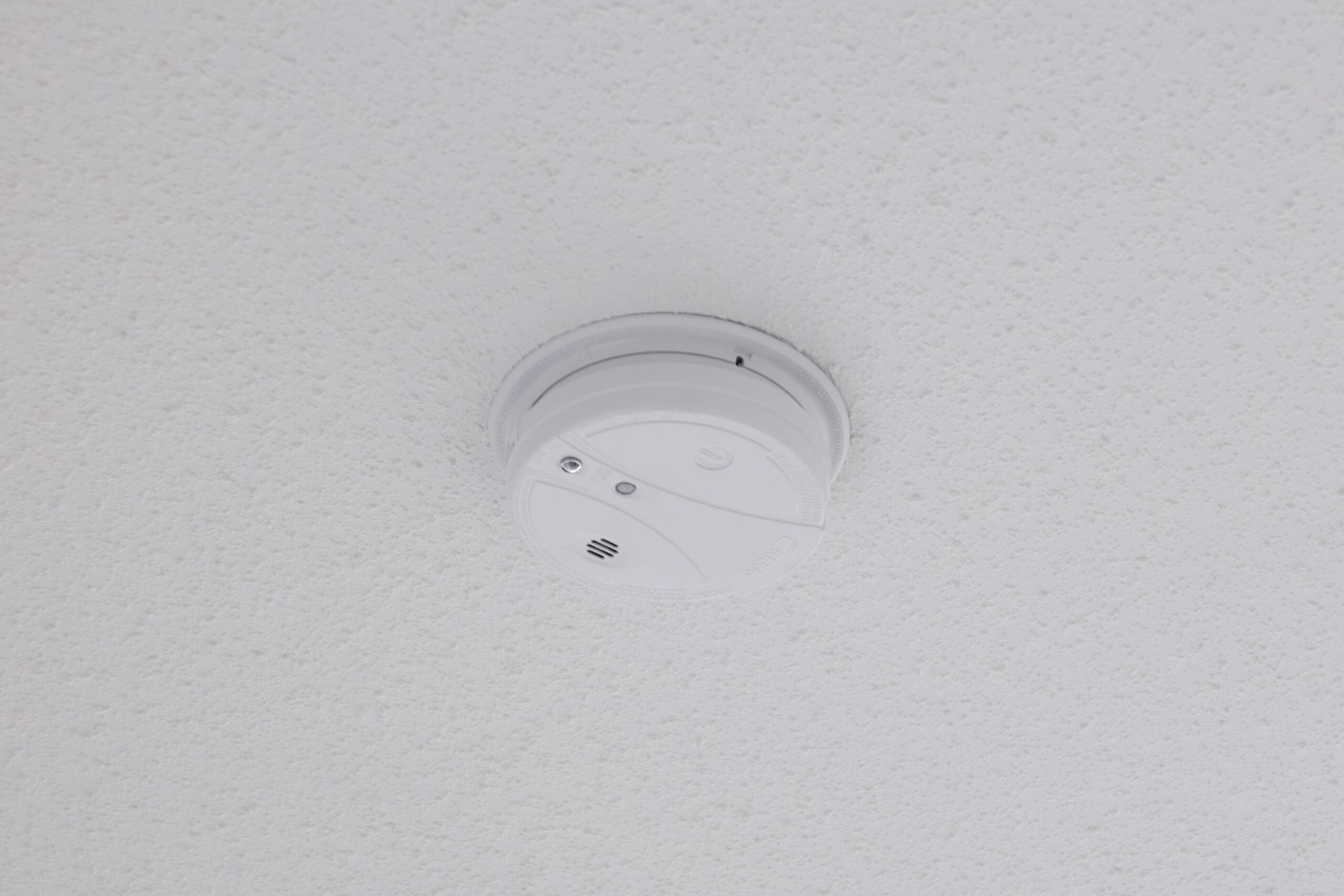
Smoke detectors
Maintaining active smoke alarms is a critical responsibility for your personal safety.
-
Battery care:
If a detector starts chirping, replace the battery immediately following the manufacturer’s specific instructions.
-
Faulty units:
If the beeping persists after a fresh battery is installed, contact Birds Nest Properties right away for a repair.
-
Compliance:
Smoke detectors must remain installed and operational at all times in accordance with building code. They must not be disconnected or removed. Tenants may be asked to assist with routine maintenance or approved updates as required.
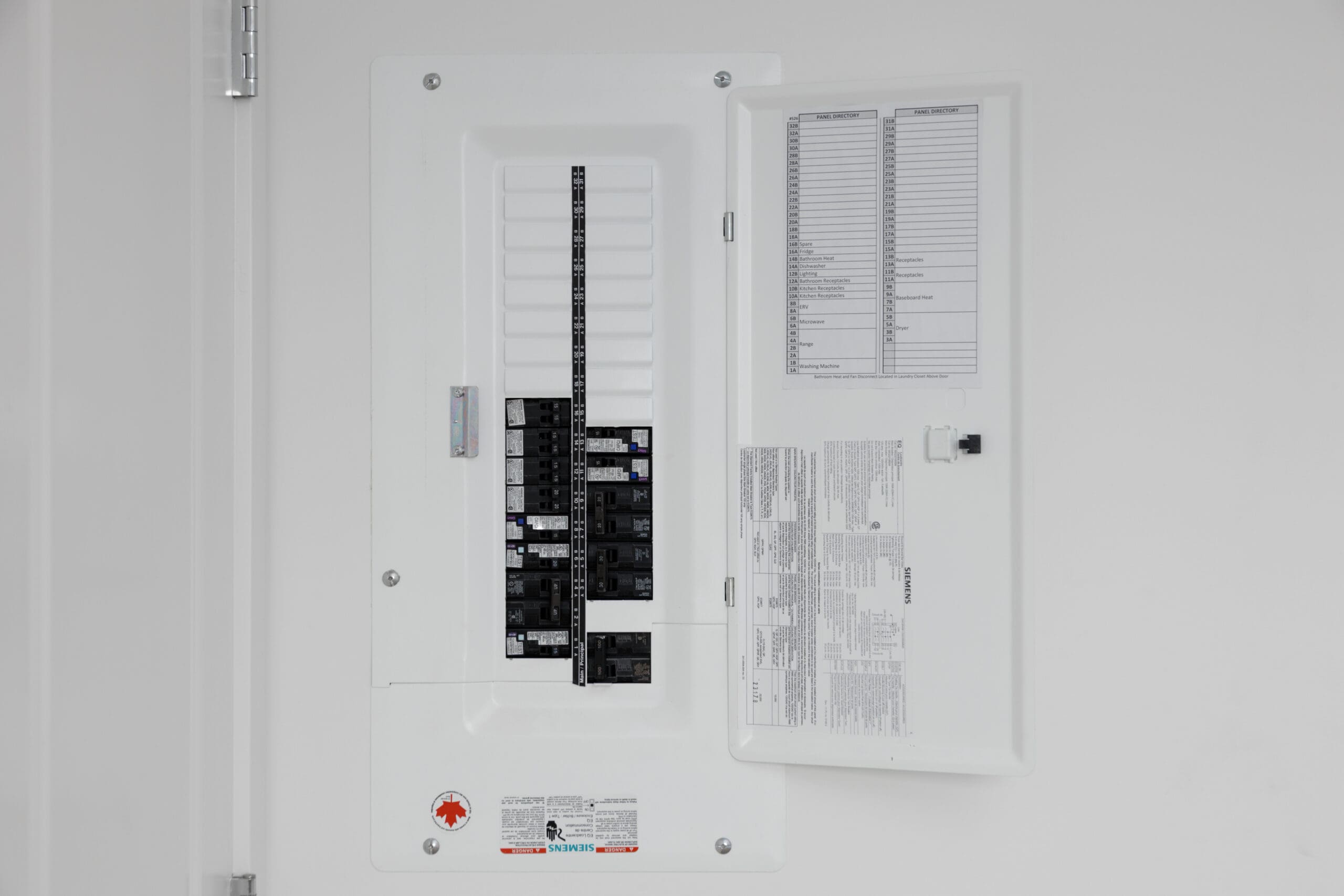
Breaker panel
Understanding your electrical panel can quickly resolve most partial power loss issues.
-
Partial power loss:
Check the breaker panel for tripped switches; reset them by flipping them fully OFF and then back ON.
-
GFCI outlets:
For these outlets often found in kitchen, bathroom, or laundry, press the RESET button until it clicks to restore local power flow.
-
Recurring issues:
If a breaker or GFCI outlet trips again immediately after a reset, please submit a formal repair request.
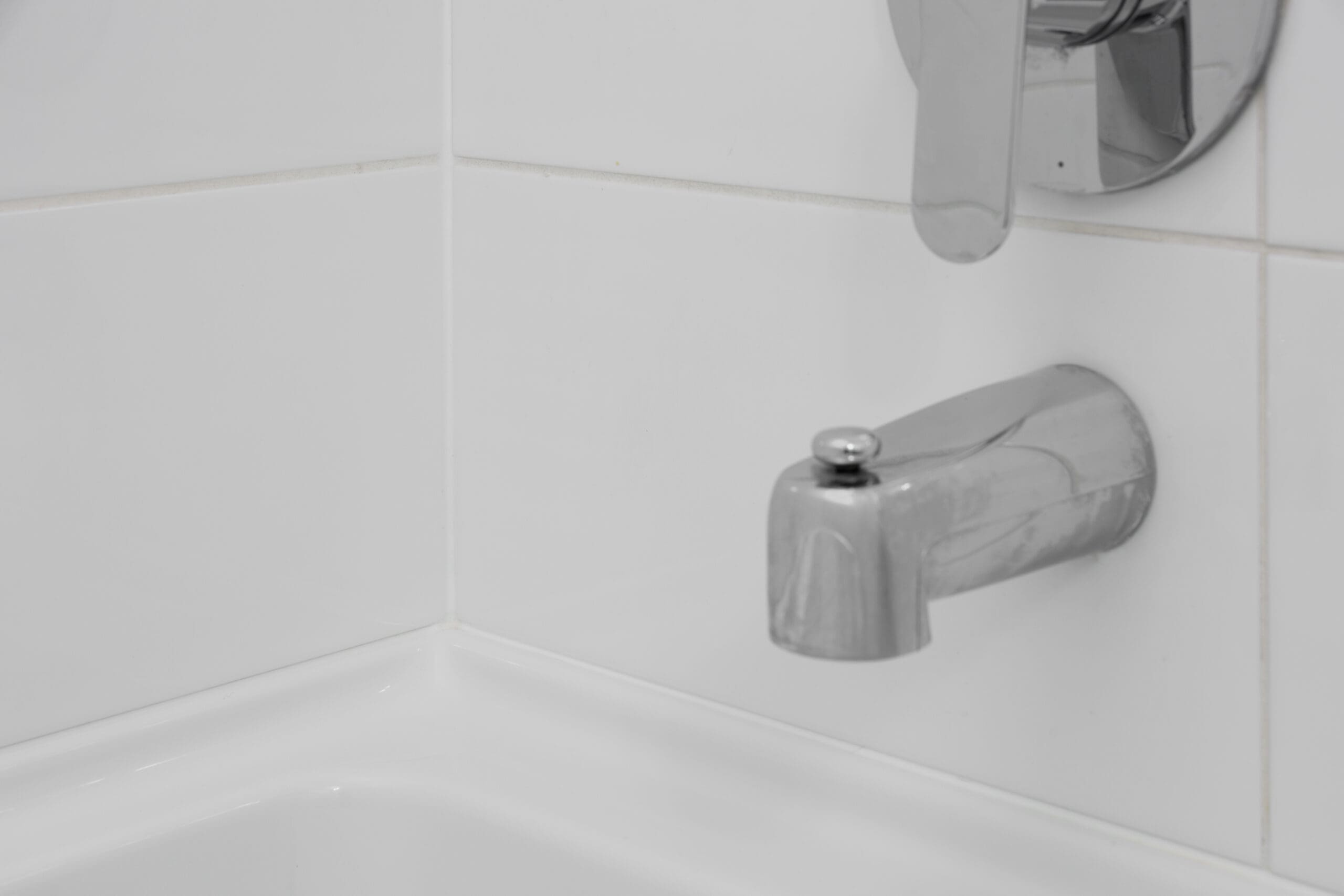
Mold & caulking
Proper ventilation and moisture control are essential for a healthy living environment.
-
Active ventilation:
Always operate bathroom and kitchen fans during and after use to effectively manage indoor humidity.
-
Condensation:
Regularly wipe moisture from window tracks and balcony door ledges to prevent mold and mildew growth.
-
Airflow:
Keep furniture slightly away from exterior walls to allow for proper air circulation and moisture evaporation.
Toilets
Proper usage and quick action are essential to prevent bathroom flooding and water damage.
-
Avoid clogs:
Never flush wipes, paper towels, or hygiene products, as these are the primary causes of severe backups and plumbing failures.
-
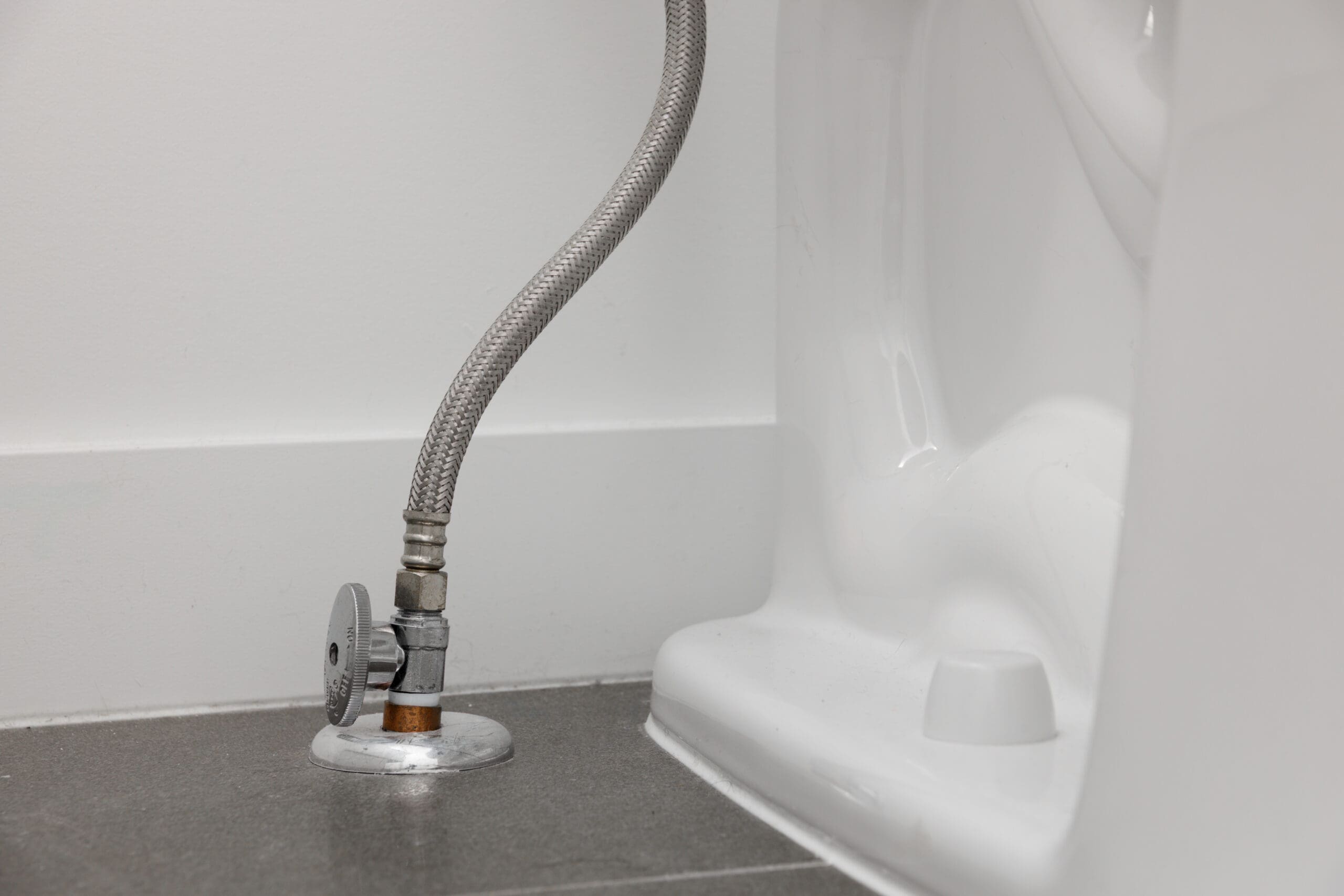
Water shut-off:
Locate the silver valve behind the toilet base; turn it clockwise immediately to stop the water supply during an active leak.
-
Maintenance:
If the toilet continues to run after flushing, please submit a request before a minor leak becomes a high water bill.
Sinks
Keeping your drains clear and monitoring connections protects your cabinetry and the units below you.
-
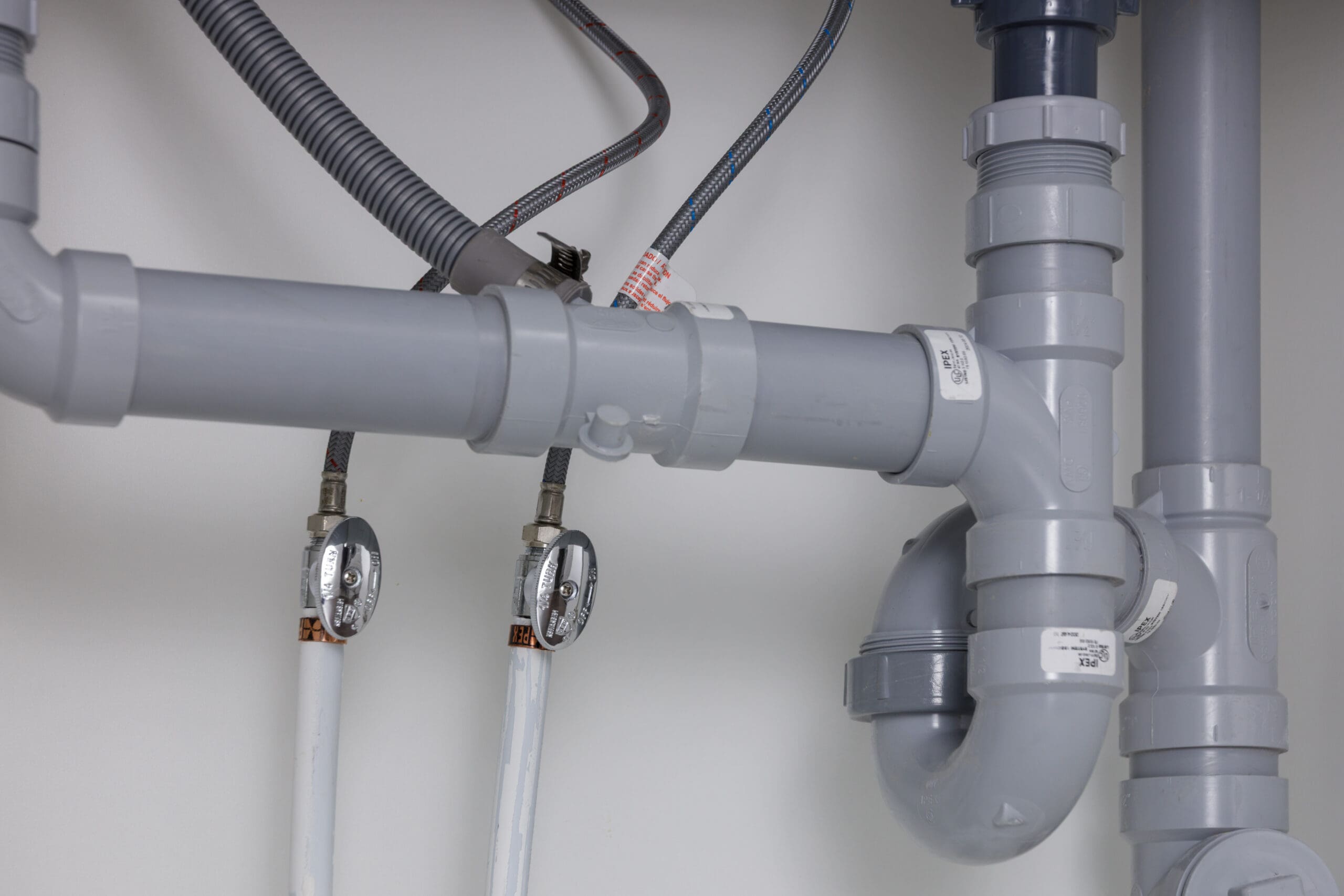
Shut-off valves:
Typically located under the sink; turn the valve clockwise to stop the water supply in the event of a leak.
-
Drain care:
Please try using a drain-cleaning product such as Green Gobbler, following the manufacturer’s instructions carefully.
-
Leak prevention:
Regularly check the area under your sinks for dampness or pooling water.
Dishwasher
Routine maintenance of kitchen appliances prevents water damage and ensures optimal performance.
-
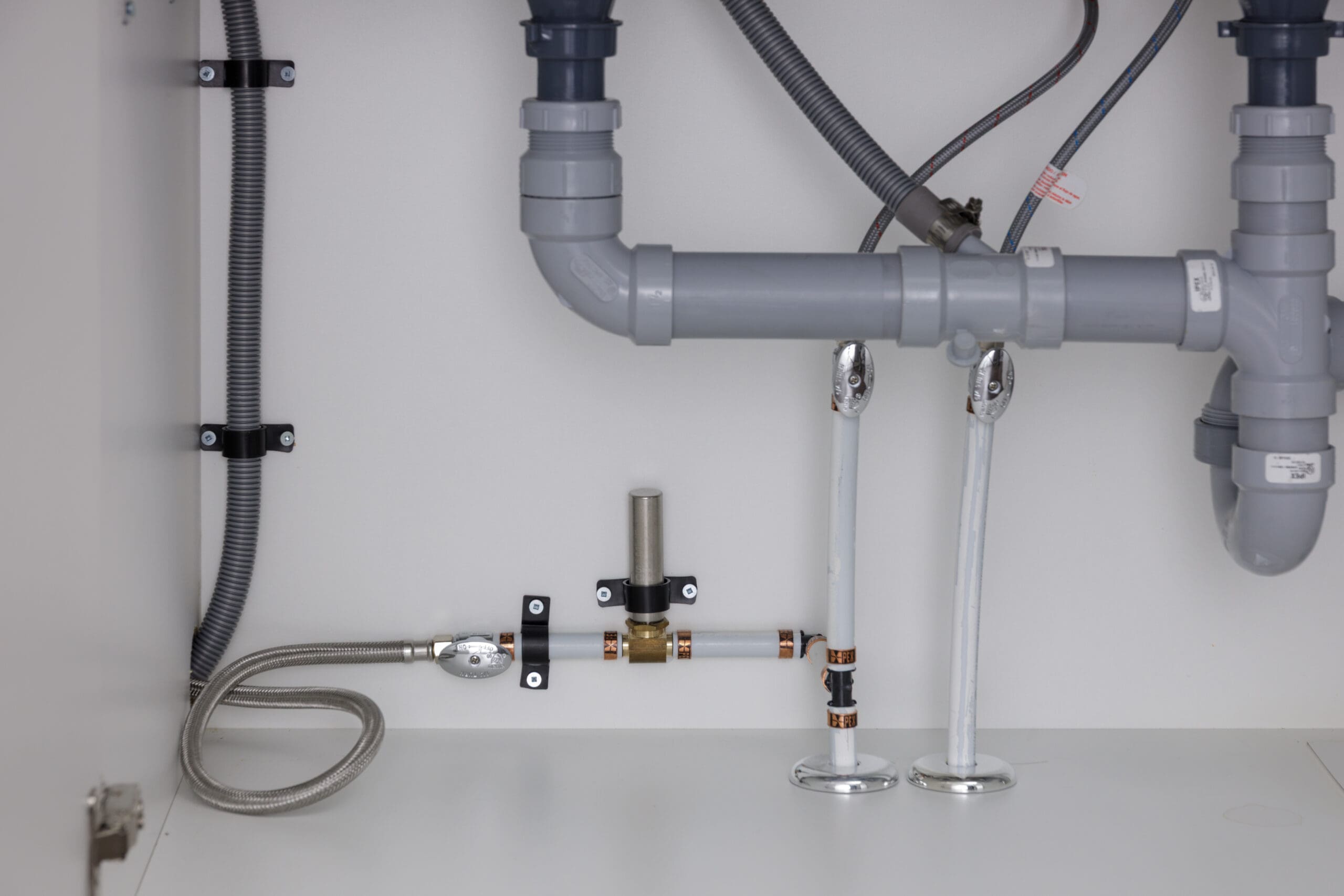
Water supply:
Ensure the water shut-off valve, typically located under the adjacent sink, is accessible in case of a leak or emergency.
-
Filter maintenance:
Regularly check and remove food debris in dishwasher filter, to prevent clogs and ensure dishes are cleaned properly.
-
Operation basics:
Before submitting a repair request, verify that the spray arms are not blocked by tall dishes and that the door latch is clicking securely into place.
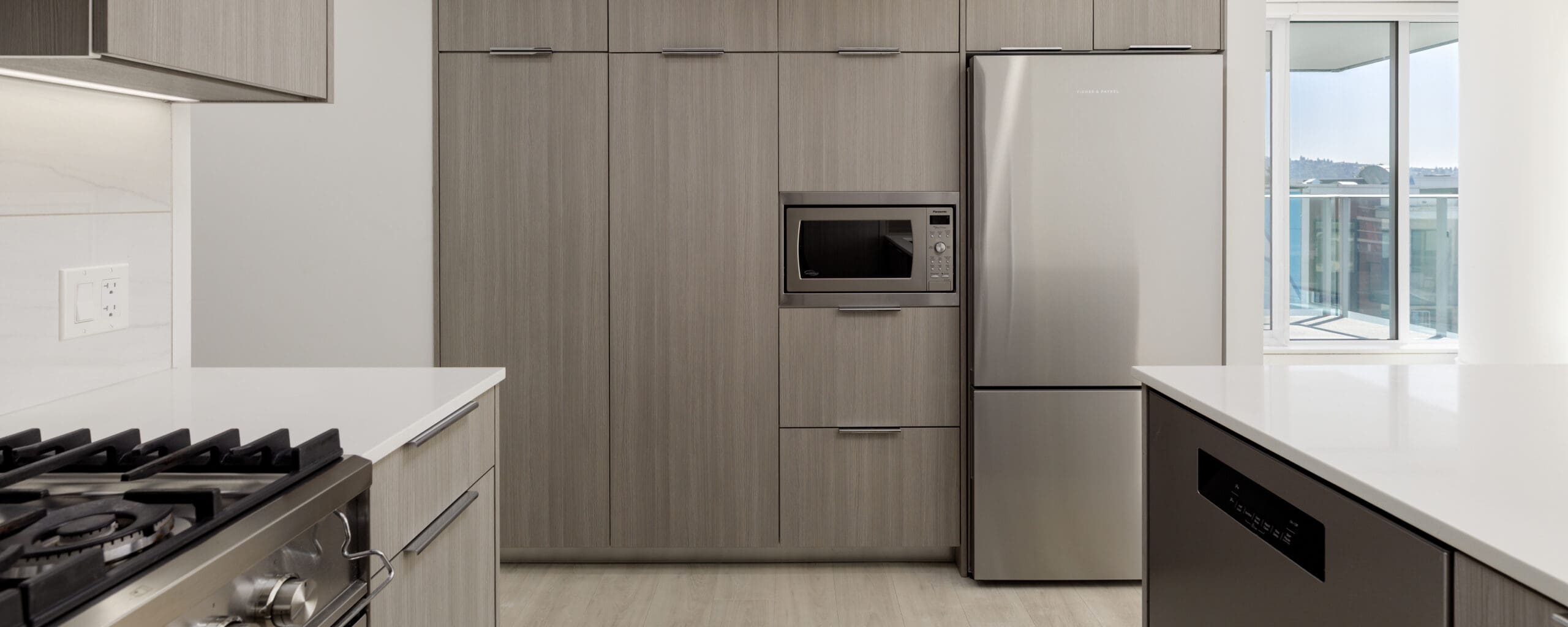
Refrigerator & freezer
Proper airflow and seal integrity are the keys to keeping your food fresh and your appliance efficient.
-
Seal & gasket maintenance:
Regularly inspect door seals and gaskets for any damage or debris; a clean, airtight seal prevents cooling loss and stops the motor from overworking.
-
Airflow & circulation:
Avoid overfilling the shelves and ensure internal vents are never blocked by food items; proper air circulation is essential to maintain even cooling and prevent frost build-up.
-
Troubleshooting steps:
If the unit is not cooling properly, verify the temperature settings and check the power connection before submitting a repair request to ensure the issue is not a simple setting adjustment.
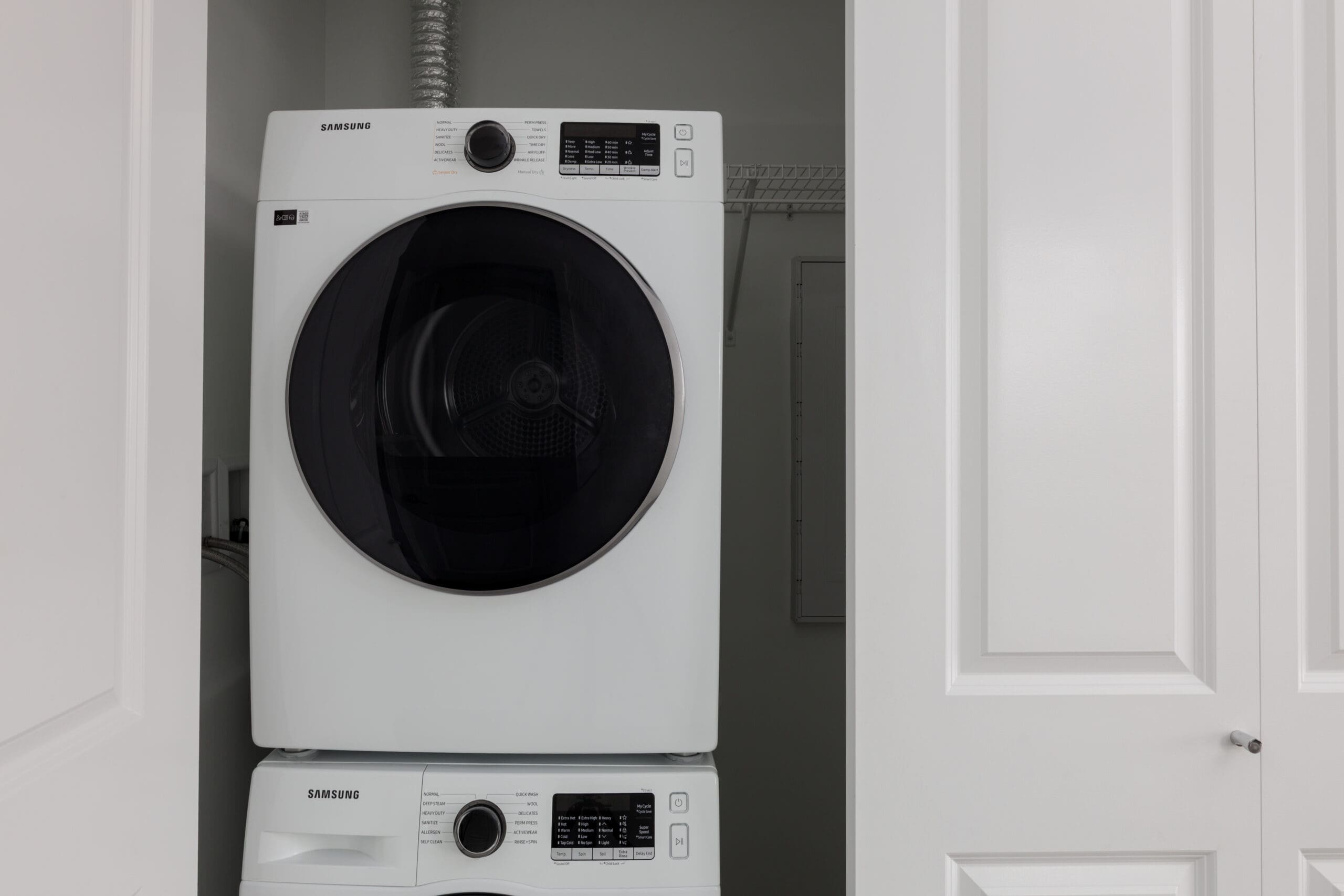
Washer & dryer
Proper laundry habits are essential for preventing household fires and localized flooding.
-
Fire prevention:
Clear the dryer lint trap after every single load and check the exterior venting bi-weekly for blockages to maintain safe airflow.
-
Leak protection:
For front-load washers, wipe the rubber door gasket regularly to prevent buildup; for top-loaders, monitor hoses for signs of wear.
-
Mildew control:
Always leave the washer door or lid open between cycles to allow the drum to dry completely, preventing mold and unpleasant odors.
HOME MAINTENANCE & CARE | Last updated March 12, 2026
Frequently asked questions
Appliances
A: First, check the basics: 1. Ensure the filter is clean (remove and rinse with water). 2. Confirm you are using the correct amount and type of dishwasher detergent (pods are often best). 3. Make sure no large dishes or utensils are blocking the spray arm. If a leak persists, especially around the door, or if the unit is failing to drain, please submit a maintenance request immediately stop using the appliance and shut off the water valve. We may recommend replacement for older units to prevent recurring issues.
A: A leak inside the fridge, often from the freezer area, can be caused by a blocked defrost drain or a fan malfunction leading to ice buildup. First, ensure the freezer and fridge vents are not blocked by food packaging. Then, slightly pull the fridge away from the wall and gently clean the coils in the back (if accessible and safe). You can also try resetting the breaker for the fridge to see if that resolves minor electrical or control issues. If the problem involves a motor or heating element failure, which requires professional repair, we will send our appliance trade for diagnosis and repair.
A: Missing or broken control knobs on appliances indicate a repair. If this is a pre-existing issue or a part failure, please report it immediately so we can schedule a repair or replacement to resolve the safety hazard.
A: First, check that the washer hoses are securely connected and free of damage. Make sure the detergent drawer is not overfilled and that the drain is clear. Clean any buildup from the front-load washer. If the leak continues, please submit a maintenance request so our appliance technician can diagnose and repair the issue.
A: Try running a timed dry cycle to see if the issue persists. Also, check that the lint filter and vent are clean, as blockages can prevent proper drying. If the problem continues, submit a maintenance request for our appliance trade to inspect and repair the unit.
HVAC
A: If your unit is struggling to maintain temperature, it can often be due to a dirty filter or a thermostat communication error. Please check and ensure your HVAC filter is clean; dirty filters drastically reduce system efficiency. If the thermostat displays only the ‘set’ point and not the actual room temperature, this may be normal for your specific model. If a thermostat is malfunctioning, a replacement may be required, and we will schedule this with an HVAC technician.
A: A complete failure of heat or hot water, particularly with radiant systems, may indicate a boiler malfunction. Please report the lack of both heat and hot water immediately. We will dispatch a trade to diagnose and repair the boiler/water heater system as quickly as possible.
Exterior
A: Failure of the blind mechanism or wands is typically considered normal wear and tear from regular usage and will be addressed by management, not deducted from a security deposit. If troubleshooting (gently re-seating the wand) fails, a blinds specialist will be scheduled to repair or replace the unit.
A: Balcony screens are designed to keep insects out and are not weight-bearing. We advise handling them with care as they are fragile. If the mesh is ripped or has slipped, please contact us for a repair, as gentle pressure is often enough to push it back into the track.
A: Fence repairs often require coordination with the adjacent property owner. We will attempt to contact the neighbour to share the repair costs/scope. Please be aware that obtaining their approval and contact information can sometimes lead to a delay in the repair process. We will keep you updated on the progress with the neighbour.
General
A: Door misalignment and failure of tracks/wheels can be a recurring issue and a safety hazard, especially if the doors are heavy or have been previously adjusted. Please report the specific door (e.g., closet door near laundry) and describe how it is coming off the track. We will schedule a trade to address the problem.
A: Please report any wall damage or unsealed openings, particularly under kitchen or bathroom sinks. These issues need prompt attention to prevent pest or moisture ingress. We will arrange for a trade to inspect, seal the opening, and perform drywall repair/patching if necessary.
Plumbing
A: First, try to contain or mitigate the leak by placing a bucket or towels under the affected area to prevent water damage. Take photos of the leak, noting the source—whether it’s coming from the ceiling, a vent, under the kitchen, or due to rain. Then, call our repair line and submit a maintenance request, including the photos and a description of the leak’s location and condition, so our team can diagnose and fix the issue promptly.
A: For a slow or minor clog, try a plunger or a small amount of non-acidic drain cleaner (e.g., enzymes or baking soda and vinegar). If the clog is severe and located deep in the main line (affecting multiple drains), this indicates a structural issue. Please submit a request so we can dispatch a plumber for snaking and clearing the main line blockage. Tenant negligence/foreign objects are the tenant’s responsibility.
A: If the toilet is continuously running, it often means the flapper or fill valve mechanism is faulty. Please check the chain in the tank to ensure it’s not snagged. If a repair part is needed (e.g., a new flapper or seal), we will schedule a plumber to perform the replacement. If the toilet overflows, shut off the water valve located behind or near the base of the toilet immediately and report it as an emergency.
A: Low water pressure is frequently caused by a buildup of mineral deposits in the faucet’s aerator or the showerhead. You can often resolve this by unscrewing the aerator/showerhead and soaking it in vinegar overnight to dissolve the deposits. If cleaning does not resolve the issue, or if the low pressure affects the entire unit, it may indicate a deeper plumbing issue in the building’s lines, which requires a plumber to inspect the main pressure regulator or shut-off valve.
A: This sound, known as “water hammer,” occurs when water flow is abruptly stopped, causing pressure waves. While generally harmless, it can be a symptom of loose pipes or a need for an anti-hammer device installation. Please report the specific faucet that is causing the noise, and we will dispatch a plumber to diagnose and secure the pipework.
Electrical
A: If an outlet is not working, first check the GFCI (Ground-Fault Circuit Interrupter) outlets (found in kitchens, bathrooms, and garages) and press the reset button. If a circuit breaker trips, it is usually due to overloading the circuit (too many high-draw appliances). Unplug some devices before resetting the breaker in the main panel. If the breaker trips immediately upon resetting, or if an outlet is sparking/smoking, contact us immediately as this is an electrical emergency requiring an electrician to diagnose the fault in the wiring.
A: If a new bulb does not fix the issue, the problem is likely with the fixture itself, such as a loose wire or a faulty ballast (in fluorescent/tube lighting). Do not attempt to repair the fixture yourself. Please submit a request, and we will send an electrician to safely replace the fixture or repair the wiring to ensure compliance with electrical codes.
Security
A: For any security issue, especially a faulty main entry system, please report it immediately. A broken lock or non-functional key fob system is a safety concern. We will dispatch a locksmith or building systems technician for an urgent repair. If you are locked out outside of regular office hours, call building manager or locksmith at your expense.
A: If the door is not closing fully or the remote is not working, first ensure the photo-eye sensors near the bottom of the track are clean and properly aligned (a blinking light usually indicates a blockage). If the problem persists, it may be an issue with the door’s motor, springs, or track. Garage door issues can be dangerous; do not attempt to repair springs or tracks yourself. We will schedule a licensed garage door technician for a safe and complete repair.
Pest Control
A: Pest control is a shared responsibility. We contract with a professional pest control service for common area treatment and unit-specific treatments. Please submit a request detailing the type of pest and the location (e.g., kitchen cabinet, bathroom). We require tenant cooperation to prepare the unit according to the exterminator’s instructions for the treatment to be effective.
Mold Control
A: Interior window condensation is most often a sign of high humidity within the unit and not a window leak. We recommend running the bathroom fan (for at least 8 hours a day), using the kitchen fan while cooking, and opening windows briefly for ventilation. If the condensation is excessive, leading to mold on the window frames, please report it. If the issue is due to a faulty window seal (air/water leaking between the panes), we will arrange for a glass or window specialist to replace the sealed unit.
Agency Disclosure & Disclaimer: Birds Nest Properties is a real estate brokerage licensed by the British Columbia Financial Services Authority (BCFSA). Please be advised that Birds Nest Properties represents the OWNER (Landlord) of the property and does not have an agency relationship with the Tenant.
The information provided on this page is for general guidance and convenience only. It does not constitute professional advice, nor does it amend or override the terms of your Residential Tenancy Agreement or the BC Residential Tenancy Act.
Assumption of Risk: Tenants are responsible for exercising their own judgment and taking all necessary safety precautions. Birds Nest Properties, its staff, and the Property Owner are not responsible for any personal injury, property damage, loss, or claims arising from the use of this content. If you are unsure of how to proceed with a maintenance issue, or if a situation poses a safety risk, please use the Tenant Maintenance Request Form button to notify management immediately.