
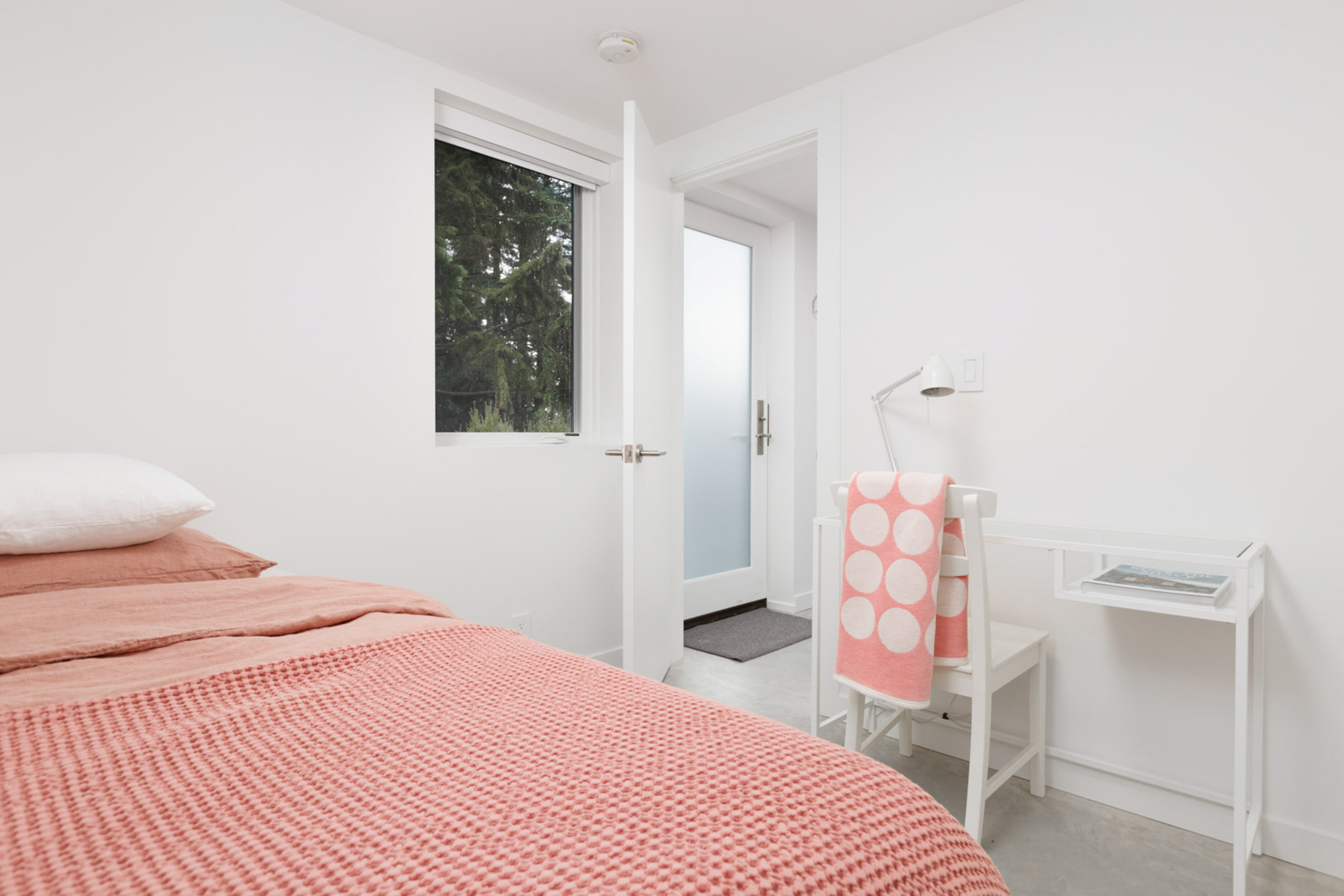
Furnished or Unfurnished for Your Rental?
A furnished apartment can rent for more, but that’s not the only consideration.
Landlords often wonder whether to rent out your property furnished or unfurnished. Furnished rentals can command more rent in some markets, but unfurnished rentals tend to attract longer-term tenants.
Below, we set out the pros and cons of leaving your rental property furnished.
But first, some definitions.
What is a furnished versus fully-furnished rental?
- Furnished rental: can come with different levels of furnishing and accessories, but often include all major appliances, table and chairs for the dining area, a couch, and a bed and dresser in the bedroom(s), so that the tenant can move in with just their personal belongings and smaller household items, rather than buying or moving large furniture.
- Fully-furnished rental: comes complete with the furniture and accessories that make the home “turnkey,” or ready to live in. Aside from major appliances and furnishings, this could include pots and pans and tableware, bedroom and bathroom linens, as well as internet/cable service. If your rental caters to luxury tenants, you might consider including upscale items like rugs, wall décor, stemware, and a high-end coffee maker. A fully-furnished rental allows the tenant to move in without having to buy anything, aside from personal items, food, and speciality appliances.
What are pros and cons of furnished versus unfurnished rental?
Pros:
- Higher rent, as much as 20% above an unfurnished rental. But this premium has narrowed in recent years, especially outside the downtown core;
- Attract a renter profile, such as a business professional, who prefers not to buy furniture.
- No storage and moving costs for removing your furniture from the property.
- Tax deductions on a portion of replacement furnishing costs
Cons:
- Fewer applicants. Some renters may not like the look or feel of your furniture, which narrows your candidate pool. Are the furnishings contemporary and neutral, or is it time for an update?
- More maintenance. Replacement and repair costs on furniture add up over time.
- Furnished works better in some locations than others. A furnished downtown condo near transit typically leases faster than a furnished single-family home in a residential neighbourhood.
- Higher turnover and more frequent vacancy, in general. Tenants who furnish a place themselves tend to stay longer.
Furnished or unfurnished: ask a rental property manager
To determine which option makes more sense, consider a call with a local property manager who can speak to the market demand for furnished versus unfurnished rentals in your neighbourhood, current availabilities, and how much to charge.
Ultimately, the choice comes down to your personal preference. Was this your one-time home and you’d rather not pay to store your belongings, or is this an investment property that you’d prefer not to furnish?
Regardless of your situation, an experienced rental property manager can help you decide which option is better for you.
Frequently asked questions
Historically, a furnished unit could command up to 20% more, but that premium has narrowed in recent years, especially outside the downtown core. It depends heavily on location and tenant type.
Unfurnished rentals generally attract longer-term tenants, because renters who furnish a place themselves tend to stay. Furnished units tend to see higher turnover.
A portion of the cost of replacement furnishings can be deductible. Confirm your specific situation with a qualified tax advisor.